The
BLOG
10 Tips For Writing Personal Messages People Will Keep Forever
Published on 2026-02-05
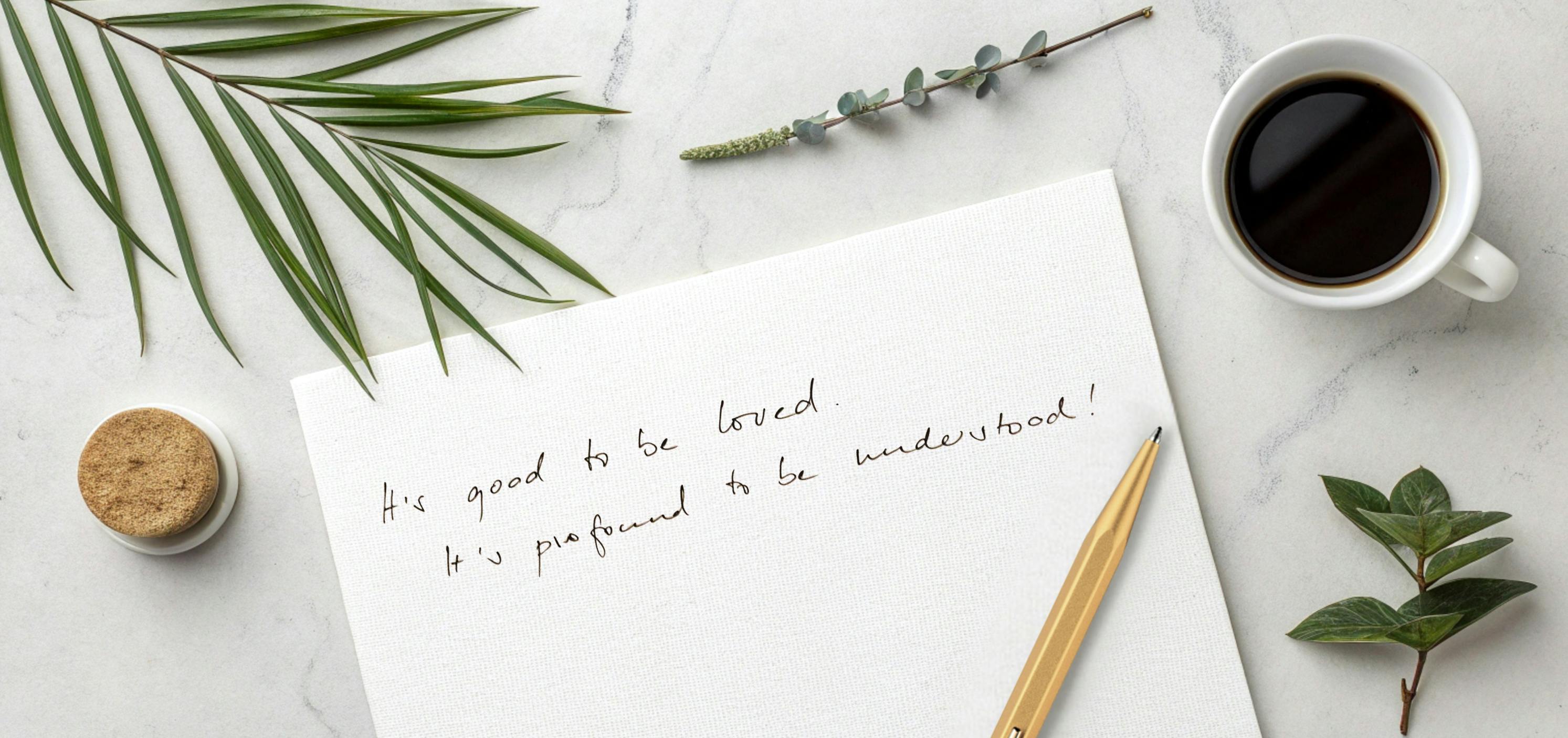
If you've ever stared at a blank card (or empty text box) wondering what to say, you're not alone. Finding the right words to express what someone means to you can feel surprisingly difficult... even when the feelings themselves are crystal clear.
Here's something that might help: meaningful messages aren't necessarily the longest or the most poetic. They're the ones that feel true. The ones where you can practically hear the writer's voice. The ones that capture a specific moment, a particular quality, a memory only the two of you share. The ones written with courage and honesty, even when vulnerability feels uncomfortable.
Writing personal messages is at the heart of every Woxbox, so it inspired us to put together this helpful guide filled with tips about writing messages to be treasured... ones with heartfelt words that resonate, not just in the moment, but for years to come.
1. Start with a Specific Memory (Not a Generic Compliment)
Generic compliments are nice. Specific memories are treasured. When you ground your message in a particular moment... complete with sensory details and context... you're not just telling someone they matter. You're proving it by remembering.
The memory doesn't have to be profound or life-changing. Sometimes the most meaningful moments are the quiet, ordinary ones that reveal someone's character.
Instead of: "You're such a good friend."
Try: "I still think about that Tuesday afternoon when I showed up at your door crying about losing my job. You didn't offer advice or try to fix it... you just made tea, let me cry, and then made me laugh by recalling silly moments we've shared over the past year. That's the day I knew our friendship was the real deal."
Pro tip: If you're struggling to think of a specific memory, ask yourself: When did this person show up for me? When did they make me laugh? When did I see them at their best?
2. Name the Quality... Then Show How You've Seen It in Action
It's one thing to tell your dad he's "generous." It's another thing entirely to write:
"You're one of the most generous people I know. There are so many examples of this. Like how you always offer to help friends move, even when you have a thousand other things to do. How you genuinely listen when someone's struggling, giving them your full attention instead of half-listening while scrolling your phone. And how you taught me that generosity isn't about grand gestures... it's about showing up consistently for the people you love."
When you name a quality and then illustrate it with specific examples, you're showing someone you truly see them. You're paying attention to who they are, not just what they do.

3. Write Like You're Talking to Them
One of the biggest mistakes people make when writing heartfelt messages? Suddenly switching to formal, stiff language they'd never actually use in conversation.
If you'd never say "your unwavering dedication" out loud, don't write it down. Read your message aloud before finalizing it. Does it sound like you? Would you actually say these words to this person's face?
The most powerful messages feel like an authentic conversation... like you're sitting across from them, coffee in hand, speaking from the heart.
Your voice matters. Don't try to sound like a greeting card writer or a poet if that's not who you are. The person reading your message wants to hear from you.
4. Don't Avoid Hard Topics (But Be Thoughtful About Timing)
Some of the most powerful messages we've seen acknowledge difficult times... because those are often when people most need to hear they're loved.
"I know this year has been hard for you. I've watched you navigate grief with more grace than I thought possible. I don't have words to fix it, but I want you to know I see how strong you've been... even on the days when you didn't feel strong at all."
If someone is going through something difficult, don't ignore it in your message. Acknowledge their pain. Tell them you see them. Remind them they're not alone.
The caveat: Consider timing and context. A message celebrating a happy milestone probably isn't the place to dwell on past hardships. But for occasions like sympathy, get-well wishes, or simply "I'm thinking of you" notes, naming the difficult thing shows you're not afraid to be present with them in it.
5. Tell Them What They've Taught You
One of the most meaningful things you can do is tell someone how they've influenced you... especially when they might not realize the impact they've had.
"Watching you navigate your career change taught me that it's never too late to go after what you really want. I used to think I was 'too old' to make a major shift, but seeing your courage inspired me to finally apply to grad school. You probably didn't know that conversation we had last spring completely changed my perspective."
People rarely know the full extent of their influence. Telling them is a gift.
6. Include the "You Probably Don't Know This, But..." Moments
These are the moments that catch people completely off guard... in the best possible way.
"You probably don't know this, but the reason I got through my divorce was because you kept showing up. Not with advice or pity... just with your steady presence. Those Saturday morning walks became my lifeline. Even though we mostly stuck to light topics, you gave me something to look forward to when everything else felt overwhelming."
These revelations are powerful because they shine a light on someone's impact in ways they couldn't have anticipated. They show that even seemingly small acts of kindness ripple outward in ways we can't always see.

7. Be Honest About Your Relationship (The Good AND the Imperfect)
Perfect relationships don't exist... and pretending they do makes your message feel hollow.
If you're writing to a sibling you've had a complicated relationship with, acknowledge it:
"We haven't always been close, and I know I wasn't always the brother you deserved. But watching you become a parent has given me a whole new appreciation for the person you are. I'm sorry it took me this long to really see you."
Or if you're writing to someone you've learned from through conflict:
"Our friendship has pushed me in ways that weren't always comfortable. You call me out when I'm being unfair or short-sighted, and while I don't always like hearing it in the moment, I've grown so much because you care enough to be honest with me."
Authentic relationships include friction, growth, and evolution. Acknowledging that makes your message feel real rather than saccharine.
8. Use Questions to Open Emotional Doors
Sometimes the most powerful lines in a message are questions:
"Do you remember the night we stayed up until 3am talking about our dreams? I still think about your advice from that conversation. It shaped how I approach big decisions."
"Have I ever told you how much it meant when you defended me in that meeting? I was too embarrassed to say it then, but it changed how I saw you as a leader... and how I see myself."
Questions invite reflection and connection. They signal that you're not just broadcasting appreciation... you're engaging in a dialogue, even within a written message.
9. End with a Forward-Looking Statement
Don't just reflect on the past... look toward the future too:
"I can't wait to see what you do next. Knowing you has made me believe in the power of persistence and grace under pressure. Whatever comes next for you, I'll be cheering you on."
... or ...
"Here's to another decade of terrible puns, spontaneous road trips, and late-night phone calls when one of us can't sleep. I'm so grateful you're in my life, and I'm excited for all the moments we haven't lived yet."
Ending on a forward-looking note reminds the person that your relationship isn't stuck in the past... it's ongoing and evolving. They're not just a memory to you; they're part of your present and your future.
10. Don't Overthink It
If you're worried about saying it "right," remember this: The fact that you're taking the time to write something meaningful is already saying volumes. 💛
So if you feel stuck, just start writing from your heart and see where it takes you. Let the words flow, even if they're messy or imperfect. You an always refine later... but you can't refine what you haven't written yet.
Don't stop to edit as you go. Perfection doesn't matter nearly as much as sincerity. A message full of grammatical errors written from a genuine place will always resonate more than a perfectly crafted message that feels emotionally distant.
The people who matter to you don't need perfection. They just need your honesty, your heart, and your willingness to be vulnerable enough to say, "You matter to me, and here's why."

Why Words Matter More Than We Think
In a world of quick texts and emoji reactions, taking time to write something meaningful has become rare. And that's exactly why it matters so much.
When you write a personal message... really write one, with thought and intention... you're giving someone something they can return to on hard days. On days when they doubt themselves, question their worth, or wonder if anyone truly sees them.
It's exactly why we started Woxbox... to capture these personal messages in a beautiful keepsake box that serves as a tangible reminder that yes, they matter. Yes, they're loved. Yes, their presence in this world makes a difference.
Your words are a gift that keeps giving long after the moment has passed. 💌
With Kindness,
Carey and Cindy
If you're looking for a beautiful way to collect and preserve heartfelt messages from multiple people, Woxbox makes it simple to gather words of love, appreciation, and gratitude into a keepsake they'll treasure forever. We even have built-in writer's prompts! Perfect for birthdays, retirements, weddings, or simply celebrating someone who deserves to know how much they're valued.
Stay Updated: Join the list to stay in the know about our latest blogs, updates and exclusive discounts!
FAQs About Writing Personal Messages
What should I write in a personal message for someone special?
Start with a specific memory that captures your relationship, then explain what that person means to you and how they've influenced your life. The best personal messages include concrete examples of the person's qualities in action, acknowledge both happy and difficult times, and end with a forward-looking statement about your continued relationship. Avoid generic compliments and instead focus on details only you would know about them.
How long should a heartfelt message be?
There's no ideal length for a heartfelt message... what matters is sincerity, not word count. A powerful message can be three sentences or three paragraphs. Focus on quality over quantity. If you have multiple specific memories or impacts to share, a longer message feels natural. If you have one profound thing to say, keep it concise. The key is that every sentence should feel intentional and meaningful, not like filler.
What if I'm not good with words or writing?
You don't need to be a skilled writer to create a meaningful message. The most treasured messages aren't the most eloquent... they're the most honest. Write like you're talking to the person directly. Use your natural voice, not formal or flowery language. If you're stuck, try finishing these sentences: "I'll never forget when you..." or "You probably don't know this, but..." or "One thing I've always admired about you is..." Your authenticity matters far more than perfect grammar or sophisticated vocabulary.
Should I mention difficult times or only focus on positive memories?
It depends on the context and occasion. For celebratory moments like birthdays or weddings, focus primarily on positive memories and joyful reflections. However, acknowledging challenges the person has overcome can make your message more authentic and powerful... phrases like "I've watched you navigate this difficult year with incredible grace" show you're truly present with them. For sympathy messages, get-well wishes, or simply checking in, acknowledging difficult times directly shows empathy and genuine care.
How do I write a personal message without being too emotional or awkward?
Vulnerability feels uncomfortable, but it's what makes messages meaningful. If you're worried about being "too emotional," remember that the recipient likely wants to know your true feelings... that's the whole point. Write your first draft without self-editing, then review it. If certain parts feel over-the-top, tone them down slightly. But don't strip out all emotion in an attempt to sound "cool" or detached. A slightly awkward but genuine message will always resonate more than a perfectly polished but emotionally distant one.
What's the difference between a good message and a great message?
A good message tells someone they're appreciated. A great message shows them exactly how and why. Good messages use general compliments: "You're a great friend." Great messages use specific examples: "That rainy Tuesday when you drove an hour just to sit with me after my breakup... that's when I knew you were family, not just a friend." Great messages also include vulnerability, acknowledge the person's influence on your life, and feel conversational rather than formal. They make the recipient feel truly seen and understood.
How can I make my message more specific and less generic?
Replace general adjectives with specific examples. Instead of "You're kind," write "You always remember my coffee order and ask about my kids by name." Instead of "You're supportive," write "When I was terrified to quit my job, you called me every day for a week just to make sure I was okay." Think about moments that revealed this person's character. What do they do that others wouldn't? What have they taught you? What would you miss most if they weren't in your life? Those answers create specific, memorable messages.
Should I write messages by hand or is typing okay?
Both handwritten and typed messages can be equally meaningful... what matters is the content, not the medium. Handwritten notes can feel more personal and require more intentional effort, which some people treasure. However, typed messages are perfectly acceptable, especially when you're collecting messages from multiple people or need to share digitally. The key is taking time to craft something thoughtful, regardless of how you deliver it. Choose the format that works best for your situation and the recipient's preferences.
About Woxbox: Our company is passionate about spreading kindness. So, whether you're here for the feel-good stuff, motivational tidbits, or you're like us and really believe in gifting kindness, we're thrilled to know you are reading along with us!





