The
BLOG
How to Create a 'Words of Kindness' Culture in Your Workplace (Without Adding to Your Workload)
Published on 2026-02-03

As leaders, managers, and team members, we all want to create a workplace where people feel valued and appreciated. Most of us are already stretched thin though. The idea of adding another initiative to our plates can feel overwhelming, even when it's something as genuinely positive as building a culture of appreciation.
What if we told you that creating a 'Words of Kindness' culture doesn't require elaborate programs, endless budget meetings, or additional hours in your already-packed day? In fact, the most meaningful changes often come from small, intentional shifts in how we communicate and connect with our colleagues.
Whether you're an executive assistant coordinating team celebrations, a CEO shaping company culture, a manager supporting your direct reports, or simply someone who wants to make their workplace a little brighter… this guide is for you.
Why Words of Kindness Matter More Than Ever
In today's hybrid and remote work environments, meaningful connection can feel elusive. We're navigating Zoom fatigue, email overload, and the challenge of building relationships through screens. Research shows that employees who feel genuinely appreciated are more engaged, productive, and loyal to their organizations… but appreciation can't just be an annual performance review checkbox.
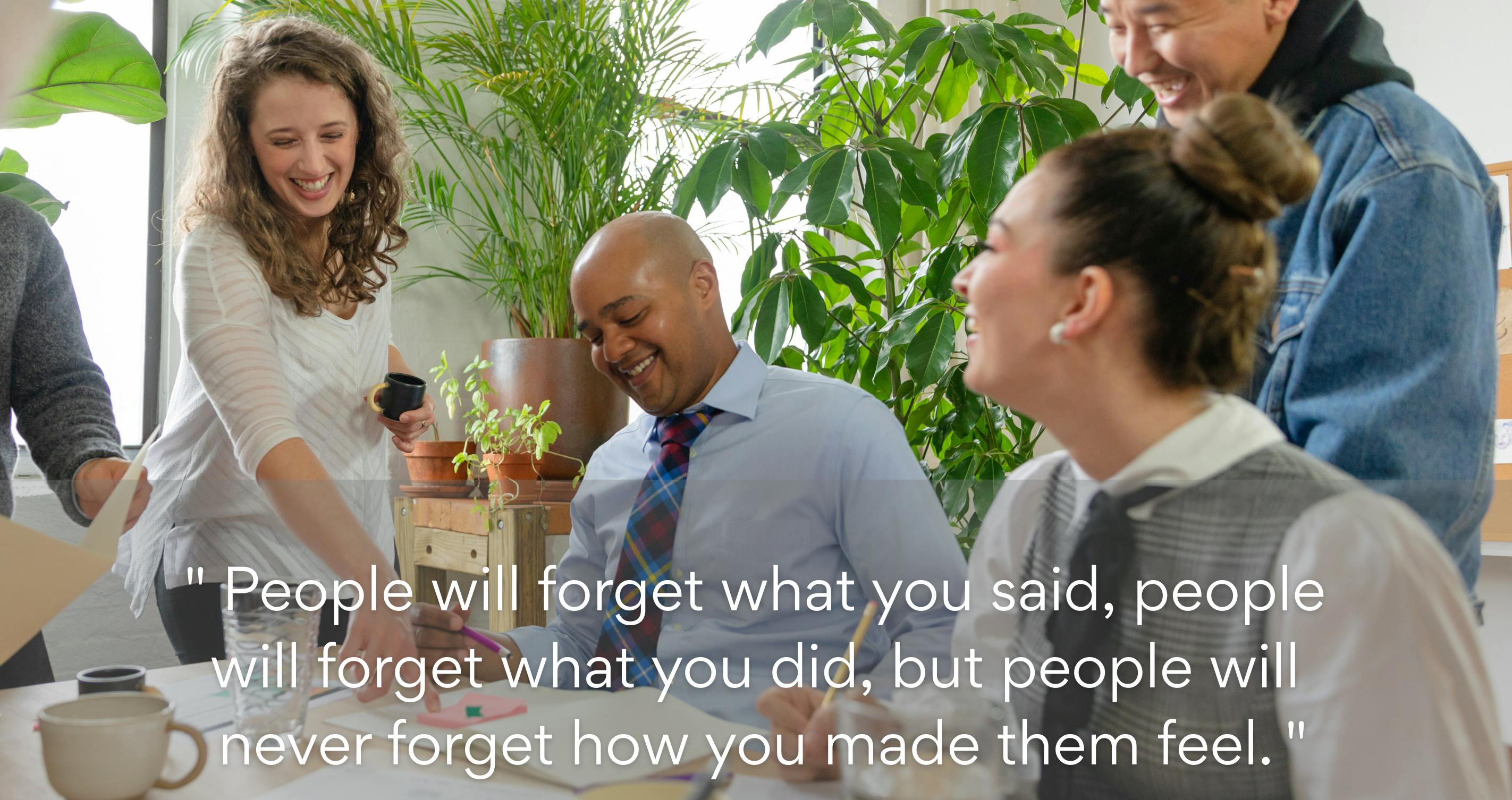
The reality? People remember how you made them feel far longer than they remember what was discussed in last quarter's strategy meeting. When colleagues take the time to acknowledge each other's contributions, offer genuine encouragement, or simply say "thank you" in a meaningful way, it creates a ripple effect throughout the entire organization.
The most successful workplace appreciation initiatives aren't the ones with the biggest budgets or the flashiest rollouts. They're the ones that become woven into the everyday fabric of how teams communicate.

Start With What You're Already Doing
Look at the Touchpoints Your Team Already Has
The secret to sustainable cultural change isn't adding more; it's enhancing what already exists.
Team meetings: Instead of diving straight into the agenda, start each meeting with a quick round of appreciation. Ask everyone to share one thing a colleague did that week that made their job easier or brightened their day. This takes maybe three minutes but sets an entirely different tone.
Communication platforms: Create a dedicated #appreciation or #kudos channel in Slack or Teams. Make it a place where anyone can publicly thank a colleague, celebrate wins (big or small), or simply spread positivity. The key is keeping it authentic… not forced or performative.
Project wrap-ups: When a project concludes, take ten minutes for the team to write down what they appreciated about working together or to celebrate the wins. These can be shared immediately or collected and shared later… either way, it's a powerful way to end on a high note.
Notice what all of these have in common? They're not additional meetings, mandatory training sessions, or complex systems to manage. They're simple tweaks to things you're already doing.
Lead by Example (Especially If You're in Leadership)
If you're a manager, executive, or team leader, your behaviour sets the standard. When you publicly thank someone, acknowledge effort (not just results), and express genuine appreciation, you give everyone else permission to do the same.
Here's what this looks like in practice:
Be specific: Instead of "Great job on the presentation," try "Your presentation was excellent… the way you anticipated client questions and prepared those backup slides showed incredible attention to detail."
Make it timely: Don't wait for performance reviews or annual celebrations. Acknowledge contributions in the moment, when the impact is fresh.
Go beyond outcomes: Appreciate how people approach their work, not just the final results. Did someone handle a difficult situation with grace? Bring creative thinking to a problem? Support a struggling colleague? Say so.
Write it down: A quick email, handwritten note, or thoughtful message in your team chat means more than a verbal "thanks" that might be forgotten. Written words of appreciation can be saved, revisited, and treasured.
Create Low-Effort, High-Impact Traditions
The most sustainable workplace traditions are the ones that don't require a committee to manage. Consider these ideas:
"Thankful Thursdays": Dedicate one day a week for team members to share appreciation in your team channel. No pressure, no requirements… just an invitation to recognize someone if the spirit moves you.
Milestone tracking: Keep a running list of upcoming birthdays, work anniversaries, and celebrations. Encourage colleagues to add personal messages throughout the month so you've collected genuine, thoughtful wishes rather than scrambling for last-minute signatures.
Quarterly appreciation prompts: Every quarter, send out a simple question: "Who on the team made a difference for you this quarter, and why?" Compile the responses and share them anonymously or attributed, depending on your team culture.
Welcome packages for new hires: Have existing team members contribute words of welcome and advice before a new colleague's first day. It immediately signals that kindness and connection matter here.
These are simple, repeatable actions that don't require significant time investment but create meaningful impact.

Empower Peer-to-Peer Recognition
A Words of Kindness culture can't just flow from the top down… it needs to be peer-to-peer. Encourage team members to recognize each other's efforts without waiting for manager approval or official channels.
Appreciation budgets: Give team members a small budget (even just $20–$50 quarterly) to send thank-you gifts, coffee cards, or treats to colleagues who've helped them.
Peer nominations: When recognizing employees, ask for peer nominations rather than manager selections. People know better than anyone who's going above and beyond.
Shared celebration responsibilities: Rotate who organizes appreciation moments for team milestones. When everyone takes turns leading, it distributes the workload and gives everyone investment in the culture.
The goal is to make appreciation a shared responsibility, not something that only happens when leadership initiates it.
Make Milestone Moments Count
Some moments naturally lend themselves to words of kindness: retirements, birthdays, work anniversaries, promotions, team member farewells, and major project completions. These are the times when people remember how they were made to feel.
Rather than defaulting to a generic card passed around the office (we've all signed those without much thought), consider gathering meaningful messages from colleagues. This is where a tool like Woxbox becomes genuinely helpful… it streamlines the process of collecting heartfelt messages and photos from the team, turning what could be a logistical headache into something beautiful and meaningful for the recipient. But even without any tools, the principle remains: give people the opportunity to share specific, personal appreciation rather than obligatory pleasantries.
Build in a window for collecting messages and send a thoughtful request asking colleagues to contribute specific memories, lessons learned, or genuine appreciation. Provide prompts to help people get started: "What's a time this person helped you?" or "What will you remember most about working with them?"
The difference? Instead of "Thanks for everything, good luck!" you get "I'll never forget how you stayed late to help me prepare for that client presentation when I was drowning. Your patience and mentorship changed how I approach my work."
That's the kind of thing people treasure.
Overcome Common Obstacles
We know what you're thinking: "This sounds nice in theory, but..." Let's address the common concerns:
"We're too busy": That's exactly why you need this. When teams feel appreciated, they're more resilient during stressful periods. Start with just one small habit…say, opening meetings with appreciation… and build from there.
"It'll feel forced": Only if you mandate it rigidly. Keep things optional and organic. The goal is to create opportunities and normalize appreciation, not force people to participate.
"Some people aren't comfortable with public recognition": Offer multiple channels. Some people love public shout-outs; others prefer private notes. Both are valuable.
"We don't have budget for this": The most meaningful appreciation costs nothing. Words, time, and attention are the currency that matters most.
"Management won't support it": You don't need official buy-in to start thanking your colleagues, celebrating their wins, or being the person who brings positivity to your team. Cultural change often starts grassroots.
Authenticity Over Perfection
The most important thing we can tell you about building a Words of Kindness culture is this: it doesn't need to be perfect or elaborate. What matters is that it's genuine.
People can tell the difference between authentic appreciation and performative recognition. A heartfelt, imperfect thank-you means infinitely more than a polished but hollow gesture.
Start small. Be consistent. Lead by example. Encourage others. Celebrate the wins. And remember that every single word of kindness you share contributes to a workplace where people feel valued, supported, and genuinely appreciated.
Because at the end of the day, we all want to work somewhere that feels good… somewhere we know our contributions matter and our colleagues have our backs. That kind of culture doesn't require a massive overhaul or endless resources.
It just requires intention, consistency, and genuine care for the people around you. The world could use a little more of that.
With Kindness,
Carey and Cindy
If you're looking for a streamlined way to collect and preserve messages from colleagues in your workplace, Woxbox makes it simple to gather words of appreciation and gratitude. With built-in writer's prompts and a shareable link, it's the easiest way to create a keepsake retirement, birthday, farewell or corporate recognition gift.
Stay Updated: Join the list to stay in the know about our latest blogs, updates and exclusive discounts!
FAQs About Creating a Words of Kindness Culture At Work
How do you create a culture of kindness at work?
Creating a culture of kindness at work starts with integrating appreciation into existing workflows rather than adding new programs. Begin meetings with brief appreciation rounds, create dedicated recognition channels in team communication platforms, make milestone moments meaningful with collected messages from colleagues, and ensure leadership models the behaviour by offering specific, timely acknowledgment of contributions. The key is consistency and authenticity rather than elaborate initiatives.
What are simple ways to show appreciation to coworkers without taking up time?
Simple, time-efficient ways to show appreciation include: sending specific thank-you messages via email or team chat (2 minutes), starting meetings with quick appreciation shares (3–5 minutes), adding colleagues to a weekly #appreciation channel post, writing brief notes for milestone moments, and publicly acknowledging contributions in real-time rather than waiting for formal reviews. The most meaningful appreciation is specific, timely, and genuine—not elaborate.
How can managers build a workplace culture of appreciation?
Managers build appreciation cultures by leading through example: offering specific (not generic) recognition, acknowledging effort and approach alongside outcomes, making appreciation timely rather than saving it for reviews, writing down kind words so they can be revisited, empowering peer-to-peer recognition, creating optional appreciation traditions like "Thankful Thursdays," and ensuring recognition happens for both major achievements and everyday contributions. Authentic, consistent manager appreciation gives teams permission to do the same.
What should I include in a workplace appreciation message?
Effective workplace appreciation messages include: the specific action or contribution you're recognizing ("the way you handled that difficult client call" not "great job"), the positive impact it had on you or the team ("it saved the project timeline"), personal acknowledgment of their approach or character ("your patience and professionalism"), and genuine gratitude. Avoid generic phrases… specificity makes appreciation meaningful and memorable.
What if my workplace doesn't have a budget for employee recognition?
The most meaningful workplace appreciation requires zero budget. Written words of thanks, public acknowledgment in meetings or team channels, specific recognition of contributions, celebration of effort (not just outcomes), and genuine attention to colleagues' work all cost nothing but create significant impact. Small peer-to-peer budgets (even $20–$50 quarterly) can enhance appreciation but aren't necessary… sincerity and consistency matter far more than spending.
What are the benefits of a workplace culture of appreciation?
Workplace cultures of appreciation yield measurable benefits: increased employee engagement and productivity, stronger team loyalty and reduced turnover, improved resilience during stressful periods, enhanced collaboration and peer relationships, higher job satisfaction, better mental health and workplace wellbeing, and a positive reputation that attracts top talent. Research consistently shows appreciated employees are more engaged, productive, and committed to organizational success.
How do you make employee appreciation feel authentic, not forced?
Keep appreciation authentic by: making it optional rather than mandatory, focusing on specific contributions instead of generic praise, ensuring recognition is timely (not saved for scheduled events), offering multiple recognition channels for different comfort levels (public vs. private), avoiding performative or excessive gestures, celebrating genuine moments naturally, and leading by example with sincere words rather than elaborate programs. Authenticity comes from genuine care, not forced participation.
What are some workplace appreciation ideas for remote teams?
Remote team appreciation ideas include: creating dedicated Slack/Teams appreciation channels, starting virtual meetings with appreciation rounds, sending personalized thank-you messages via email or direct message, organizing virtual milestone celebrations where colleagues share recorded video messages or written words, recognizing contributions in team newsletters, using digital tools to collect and present appreciation for major moments, and ensuring remote workers receive the same recognition as in-office colleagues.
How can I start building appreciation culture if I'm not in leadership?
You don't need leadership authority to build appreciation culture. Start by thanking colleagues publicly in team channels, recognizing peers' contributions in meetings, offering specific appreciation to team members who help you, suggesting appreciation moments to your manager, celebrating colleagues' milestones, and being consistent with your own gratitude practices. Cultural change often starts grassroots… when others see the positive impact of your appreciation, they'll likely follow suit. Your genuine recognition gives others permission to do the same.
About Woxbox: Our company is passionate about spreading kindness. So, whether you're here for the feel-good stuff, motivational tidbits, or you're like us and really believe in gifting kindness, we're thrilled to know you are reading along with us!





